Creating a relaxing home office environment is essential for staying productive and maintaining your well-being while working from home. A well-designed workspace can help reduce stress, boost creativity, and increase focus. Whether you have a dedicated room or a small corner, these tips will help you transform your home office into a calm, inviting setting.
Choose the Right Location
Opt for Natural Light
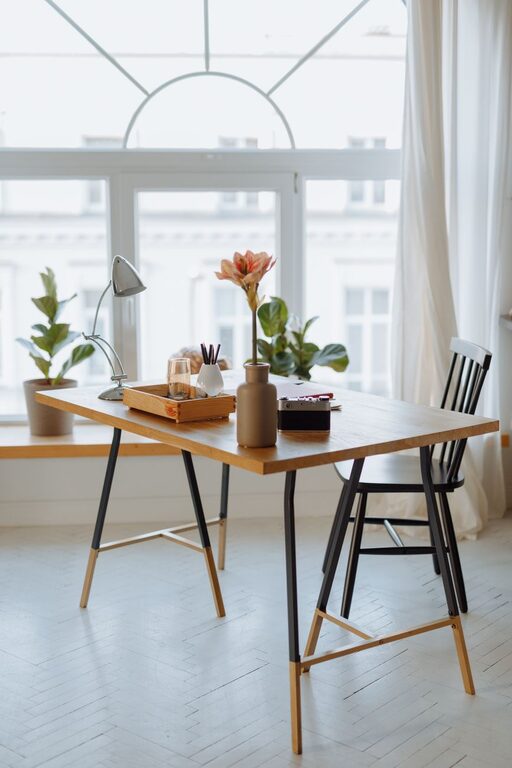
Whenever possible, set up your office near a window. Natural light reduces eye strain and improves mood, making it easier to stay energized throughout the day. If your space lacks windows, consider using daylight-simulating light bulbs to mimic the effect.
Avoid High-Traffic Areas
Select a quiet spot away from distractions such as busy hallways, televisions, or noisy appliances. The less noise and interruption you have, the more peaceful and focused you will feel.
Invest in Comfortable Furniture
Ergonomic Chair and Desk
Comfort is key to creating a relaxing office space. Choose an ergonomic chair that supports your back and encourages good posture. Pair it with a desk at the right height to avoid strain on your wrists and shoulders.
Adjustable Setup
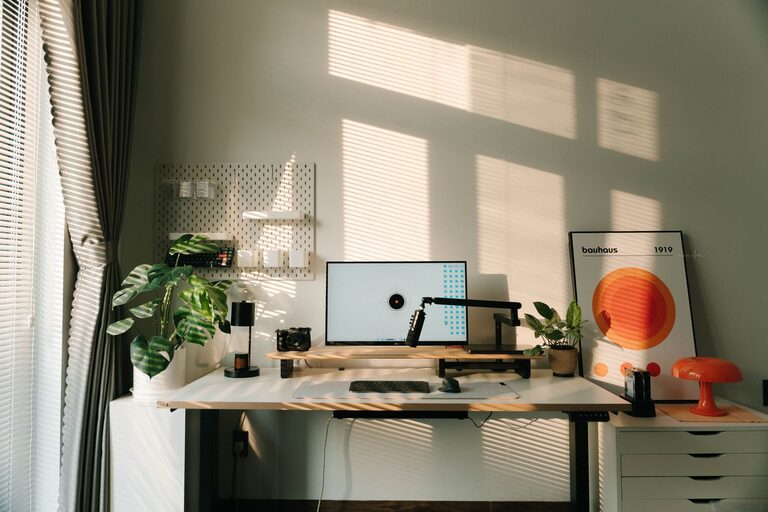
If possible, use an adjustable desk that allows you to alternate between sitting and standing. This promotes circulation and prevents stiffness over long work sessions.
Declutter and Organize
Keep Surfaces Clear
A cluttered desk can lead to a cluttered mind. Regularly tidy up your workspace by putting away papers, pens, and gadgets. Use organizers like trays, file holders, or drawers to keep everything in its place.
Limit Decorations
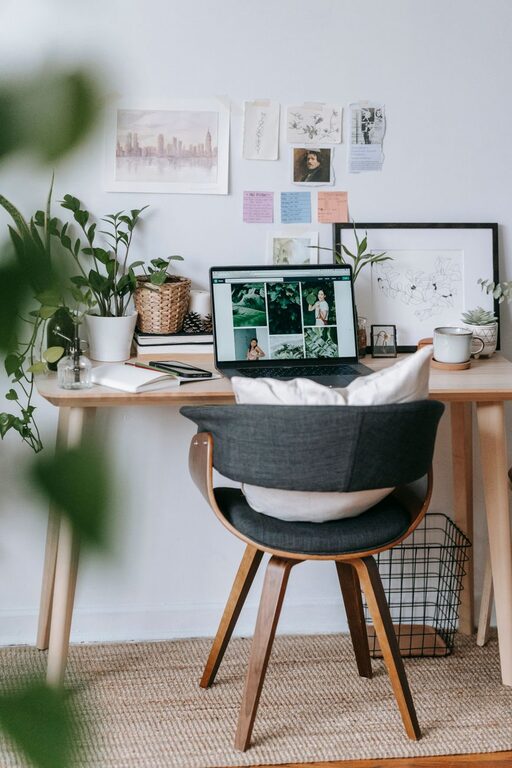
While personal touches are nice, too many items can create visual clutter. Choose a few meaningful or calming objects, such as plants or artwork, to decorate without overwhelming the space.
Use Soothing Colors
Choose Calming Tones
Colors influence mood. Soft, neutral shades like light blues, greens, or earth tones promote relaxation. Avoid overly bright or harsh colors that can be distracting or stressful.
Create a Color Palette
Coordinate your furniture, walls, and accessories within your chosen color range to create a harmonious and inviting atmosphere.
Incorporate Nature Elements
Add Indoor Plants
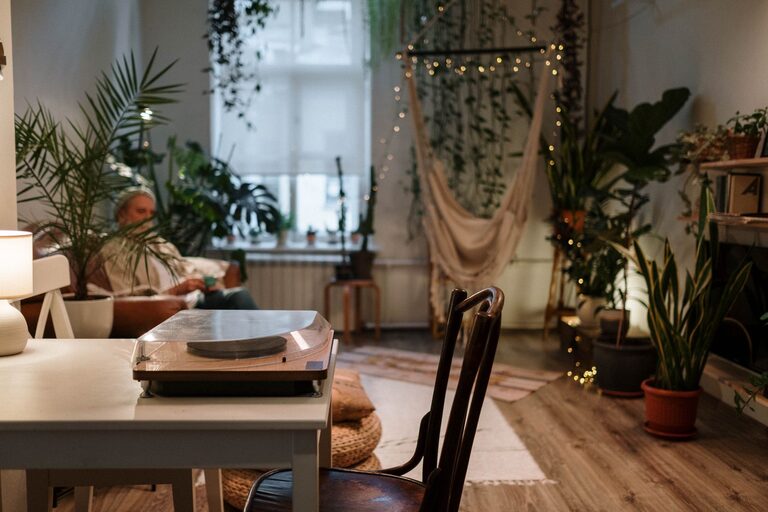
Plants improve air quality and add a touch of nature, which has been shown to reduce stress. Easy-to-care-for plants like succulents, snake plants, or pothos work well in offices.
Use Natural Materials
Wood, stone, and natural fabrics create a warm and soothing environment. Consider a wooden desk, cork bulletin board, or linen curtains for a natural touch.
Manage Lighting Wisely
Use Layered Lighting
Combine overhead lighting with task and ambient lights. A desk lamp provides focused light for work, while softer lamps can add warmth in the evenings.
Adjust Brightness
Make sure the lighting is bright enough to prevent eye strain but not so harsh that it causes glare on screens.
Minimize Noise and Distractions
Use Noise-Canceling Tools
If external noise is unavoidable, invest in noise-canceling headphones or play soft background music or white noise to help you concentrate.
Set Boundaries
If you share your space, communicate your work hours clearly to minimize interruptions and maintain a peaceful environment.
Maintain Air Quality and Comfort
Keep the Space Fresh
Good ventilation makes a big difference. Open windows when possible or use air purifiers to keep the air clean and fresh.
Control Temperature
Ensure your workspace stays at a comfortable temperature, neither too hot nor too cold, which can affect your focus.
Establish a Calming Routine
Start with a Warm-Up
Begin your workday with a few minutes of stretching or deep breathing to set a relaxed tone.
Take Regular Breaks
Step away from your desk regularly to rest your eyes and move. Short breaks can reduce fatigue and improve mental clarity.
—
By applying these practical tips, you can create a home office environment that feels inviting and calm, helping you work more effectively and enjoy your time at home. Remember, the goal is to craft a space that supports your productivity while promoting relaxation and well-being.
About the Author