Creating a cozy and functional home workspace can make a significant difference in your productivity and overall well-being. Whether you work remotely full-time or occasionally need a designated spot for projects, having a comfortable and organized area helps you focus and feel motivated. This blog post will guide you through practical tips to design a home workspace that balances coziness with functionality.
Choose the Right Location
Selecting the ideal spot for your home workspace is the first step toward creating a productive environment.
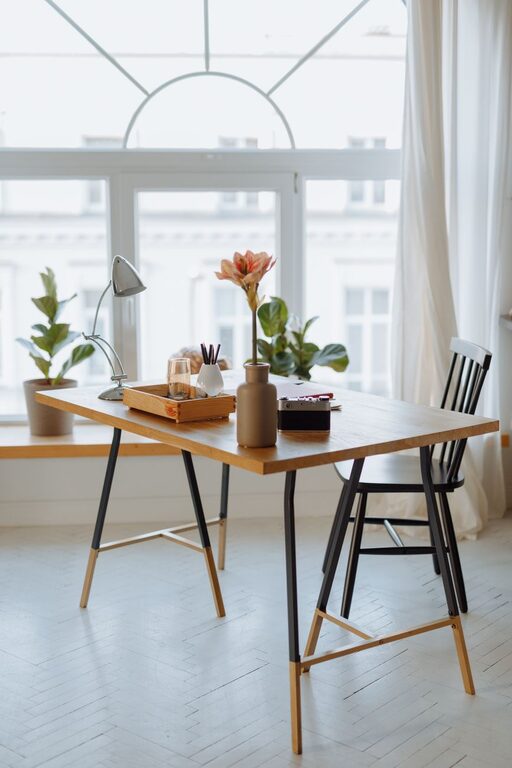
– Natural Light: Position your desk near a window if possible. Natural light helps reduce eye strain and enhances mood, making your workspace inviting.
– Quiet Area: Pick a location away from high-traffic or noisy parts of your home to avoid distractions.
– Adequate Space: Make sure there’s enough room for your desk, chair, and any equipment or storage you need without feeling cramped.
If a dedicated room isn’t available, consider a corner in your living room or bedroom. Using room dividers can help define your workspace.
Invest in Comfortable and Ergonomic Furniture
Comfort is key to staying focused and avoiding fatigue.
– Ergonomic Chair: Choose a chair that supports your lower back and promotes good posture. Adjustable chairs allow you to fine-tune height and tilt for your comfort.
– Desk at the Right Height: Your desk surface should allow your elbows to rest comfortably at a 90-degree angle when typing.
– Keyboard and Monitor Placement: Position your monitor at eye level to prevent neck strain, and keep the keyboard and mouse within easy reach.
Adding a footrest can also improve comfort during long work hours.
Personalize Your Space with Cozy Elements
Adding touches that make the space feel inviting encourages you to spend time there.
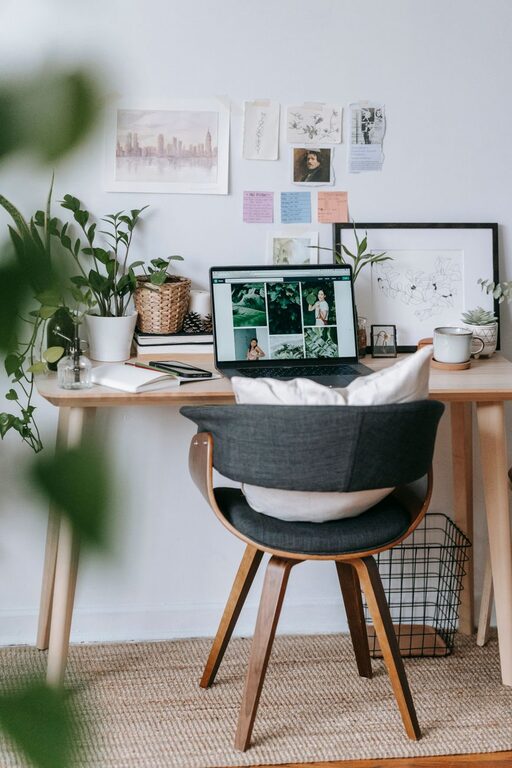
– Soft Textiles: Include a throw blanket or cushion on your chair to add warmth and comfort.
– Warm Lighting: Use lamps with warm bulbs instead of relying solely on overhead fluorescent lights.
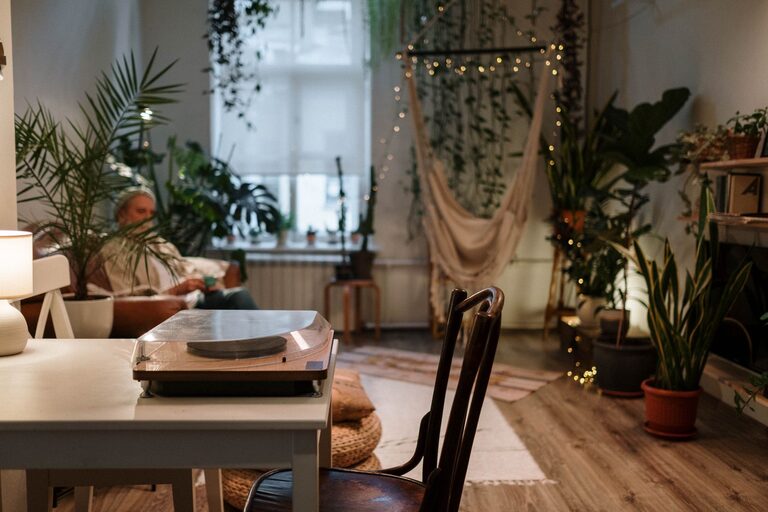
– Plants: Small indoor plants not only improve air quality but also add life and color.
– Artwork or Photos: Display pictures or artwork that inspire you or make you happy.
Remember to avoid cluttering your space with too many decorations; keep it balanced.
Organize Efficiently for Productivity
An organized workspace helps you stay focused and saves time.
– Declutter Regularly: Clear your desk of unnecessary items daily.
– Storage Solutions: Use shelves, filing cabinets, or drawer organizers to keep papers, supplies, and devices tidy.
– Cable Management: Use clips or cable boxes to prevent cords from tangling.
– Use Vertical Space: Wall-mounted shelves or pegboards can hold tools and keep your desk surface free.
Labeling storage containers can make things easier to find.
Incorporate Technology Thoughtfully
Technology can boost your efficiency if set up properly.
– Reliable Internet Connection: Ensure your workspace has a strong Wi-Fi signal.
– Good Quality Equipment: Invest in a comfortable keyboard, mouse, and possibly a second monitor to improve multitasking.
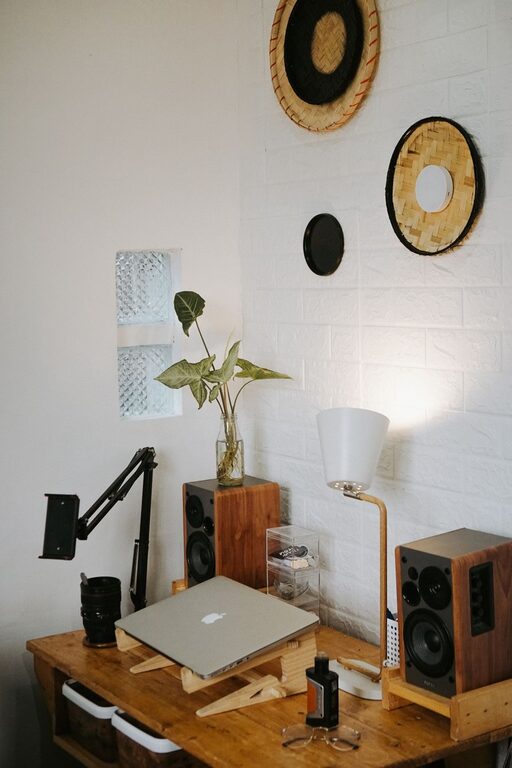
– Headphones or Speakers: Noise-canceling headphones can help reduce distractions, while speakers can keep your favorite background music handy.
– Charging Stations: Designate a spot for charging devices to keep cables organized.
Backing up your work regularly, either on a cloud service or external drive, is also a good practice.
Maintain Work-Life Balance with Boundaries
Especially when working from home, it’s easy to blur the lines between work and personal life.
– Set Work Hours: Stick to specific work hours and communicate them with household members.
– Create a “Close Down” Routine: At the end of your workday, tidy up your workspace and turn off electronics to signal the transition to personal time.
– Keep Workspace Separate: Avoid using your workspace for leisure activities to maintain mental separation.
Having a clear boundary helps preserve motivation and prevents burnout.
Add Adjustable Elements for Flexibility
Your workspace needs may change throughout the day or over time.
– Sit-Stand Desks: These allow you to alternate between sitting and standing, which can improve circulation and reduce fatigue.
– Adjustable Lighting: Choose lamps with dimmers or adjustable brightness to suit different tasks or times of day.
– Modular Furniture: Use components that can be rearranged easily to adapt to various projects.
Flexibility helps keep your space comfortable and functional over the long term.
Keep Inspiration Close
Sometimes inspiration boosts your creativity and productivity.
– Idea Board or Whiteboard: Use these to jot down tasks, ideas, or reminders visually.
– Motivational Quotes or Vision Boards: Place items that inspire you within view.
– Books and Resources: Keep reference materials handy for quick access.
A workspace that cultivates creativity can make work more enjoyable.
—
Creating a cozy and functional workspace at home is all about thoughtful planning and personalization. By combining comfort, organization, and technology in a well-chosen spot, you’ll build an environment that supports your goals and makes working from home a positive experience. Start with small changes, and over time, you’ll develop a space that truly works for you.
About the Author