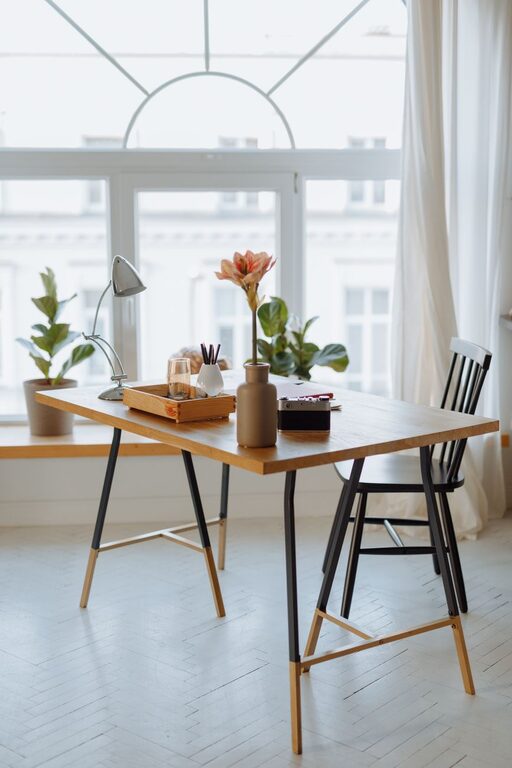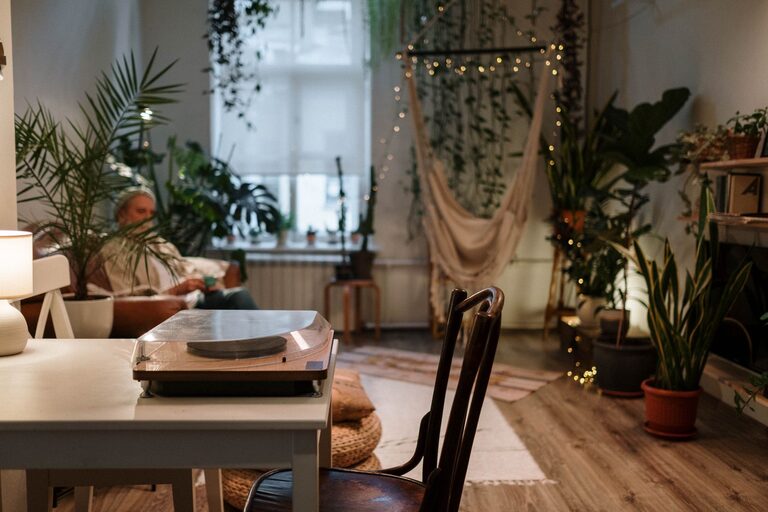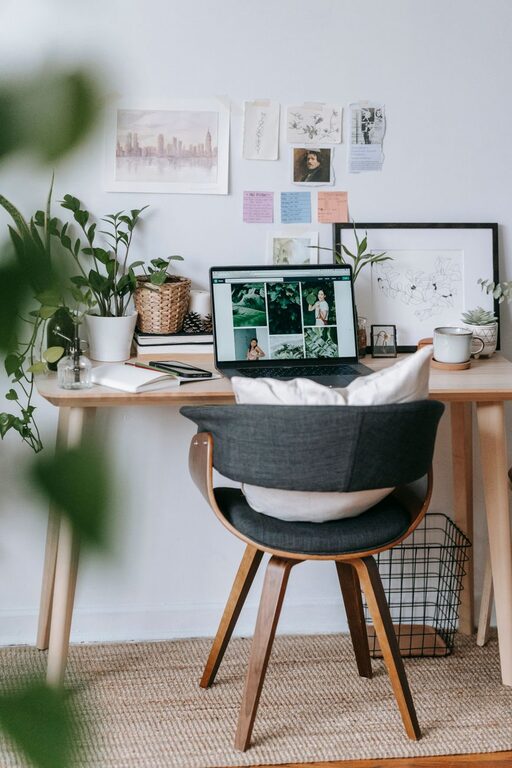
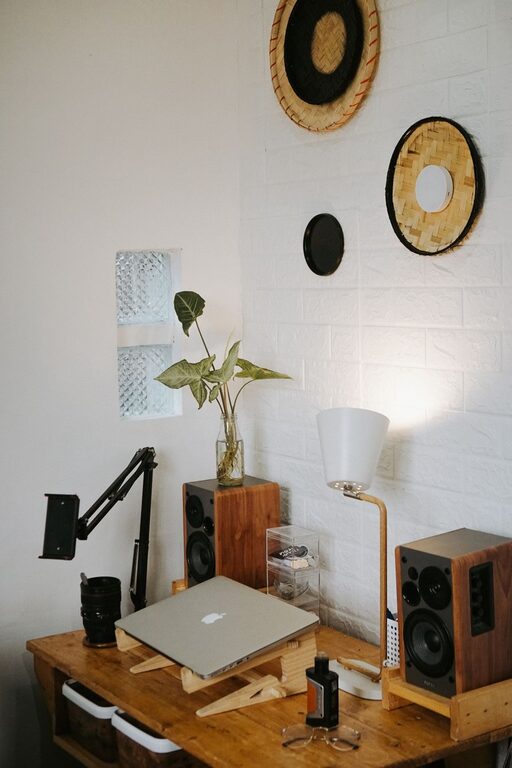
Creating a cozy and productive home workspace is essential for anyone working remotely or managing tasks from home. Your environment plays a significant role in how well you focus, how motivated you feel, and ultimately how much work you get done. With a few thoughtful adjustments and intentional planning, you can turn any corner of your home into a space that invites creativity and comfort.
Choose the Right Location
Finding the ideal spot for your workspace is the first step.
– Natural Light: Position your desk near a window if possible. Natural light boosts mood and reduces eye strain.
– Quiet Area: Pick a place with minimal distractions or noise to help maintain focus.
– Space Availability: Ensure there’s enough room for your desk, chair, and any equipment or supplies you need.
Avoid high-traffic areas where interruptions are likely, such as the kitchen or living room—unless those are the quietest places in your home.
Invest in Comfortable Furniture
Comfort is key to productivity, especially when sitting for long hours.
– Ergonomic Chair: Choose a chair with adjustable height, lumbar support, and cushioning.
– Desk Height: Your desk should suit your height to maintain proper posture without strain.
– Additional Support: Consider wrist pads, footrests, or standing desk converters as needed.
Comfortable furniture helps reduce fatigue and prevents common pain points, like back and neck discomfort.
Organize for Efficiency
A cluttered workspace can hinder focus and increase stress. Use organization strategies to keep your area neat.
– Storage Solutions: Use shelves, drawers, or bins to keep supplies within reach but out of the way.
– Cable Management: Tidy up cords with clips or sleeves to avoid tangles.
– Minimalist Setup: Keep only essential items on your desk to maintain clarity.
Regularly decluttering your workspace encourages a clear mind and smoother workflow.
Personalize Your Space
Adding personal touches can make your workspace more inviting and enjoyable.
– Plants: Small indoor plants add a touch of nature and improve air quality.
– Artwork or Photos: Inspiring images or photos of loved ones can boost morale.
– Decor: Choose colors and decorations that make you feel relaxed but alert.
Just keep personalization balanced so it doesn’t become a distraction.
Prioritize Good Lighting
Adequate lighting supports productivity and reduces eye strain.
– Layered Lighting: Combine natural light, overhead lighting, and a good desk lamp.
– Adjustable Lamps: Use lamps with adjustable brightness levels or color temperature.
– Avoid Glare: Position screens and lights to minimize glare and reflections.
Proper lighting helps maintain energy and focus throughout your workday.
Establish Clear Boundaries
Creating mental and physical boundaries between work and home life is critical.
– Dedicated Work Area: Keep your workspace distinct from relaxation zones.
– Set Work Hours: Define when your workday starts and ends.
– Communicate: Let family or housemates know your schedule to minimize interruptions.
Clear boundaries help you switch off from work and maintain a healthy balance.
Incorporate Movement Breaks
Sitting all day can negatively impact comfort and productivity.
– Regular Breaks: Stand, stretch, or walk around every 30–60 minutes.
– Active Desk Options: Use standing desks or balance stools if possible.
– Simple Exercises: Desk stretches or light yoga can refresh your body and mind.
Movement keeps energy levels up and helps prevent stiffness.
Use Technology Wisely
The right tools can enhance productivity without creating distractions.
– Reliable Equipment: Invest in a good computer, headphones, and internet connection.
– Focus Apps: Use apps that block distracting websites or track your time.
– Organizational Tools: Calendars, to-do lists, and note apps help keep tasks on track.
Technology should support your work, not complicate it.
Maintain Cleanliness
A clean workspace fosters clarity and reduces stress.
– Daily Tidying: Spend a few minutes at the end of each day putting things away.
– Regular Cleaning: Dust and wipe surfaces weekly to keep the area fresh.
– Air Quality: Keep windows open when possible or use air purifiers.
Clean spaces contribute to better concentration and well-being.
Final Thoughts
Creating a workspace that balances coziness with productivity is a personal journey—and one worth investing in. Start small, adjust as you learn what works best, and be mindful of your comfort and focus needs. With these tips, your home workspace will soon become a favorite place where you enjoy working and achieve your goals efficiently.
About the Author