
Creating a productive home office environment is key to maintaining focus and achieving your work goals, especially as more people embrace remote work. Whether you have a dedicated room or a small corner of your living space, organizing your workspace thoughtfully can make a significant difference in your daily productivity and overall well-being.
In this post, we’ll explore practical tips to help you design a home office that supports concentration, reduces distractions, and keeps you motivated throughout the day.
Choose the Right Location
Find a Quiet Spot
Start by selecting a quiet area in your home where you can work without frequent interruptions. This might be a spare room, a section of your living room, or even a nook by a window. The more you can minimize background noise and foot traffic, the easier it will be to concentrate.
Consider Natural Light
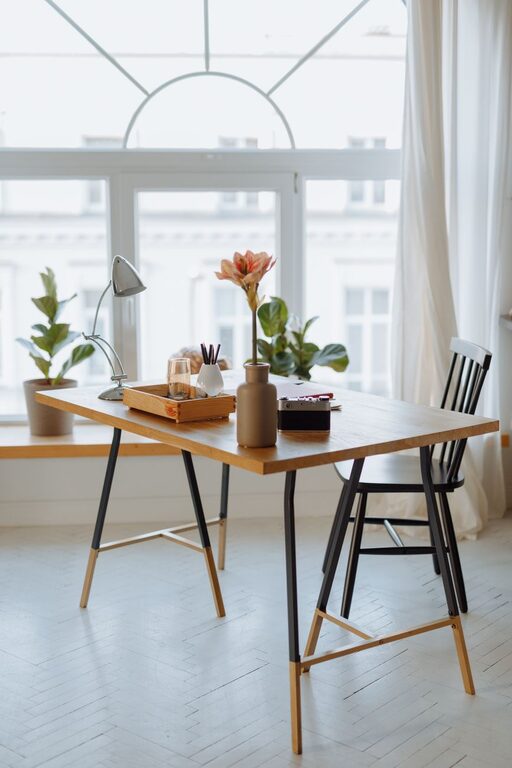
Natural light can boost mood and energy levels. Position your desk near a window if possible to take advantage of daylight. Avoid placing your screen directly in front of or behind the window to reduce glare.
Invest in Comfortable Furniture
Ergonomic Chair
Your chair should support good posture and comfort for prolonged sitting. Look for adjustable chairs with lumbar support to protect your back and reduce fatigue.
Functional Desk
Choose a desk with enough surface area for your computer, paperwork, and other tools. If space is tight, a corner desk or wall-mounted foldable desk might be a practical solution.
Desk Height and Setup
Ensure your desk and chair heights allow your arms to rest comfortably at a 90-degree angle while typing. Position monitors at eye level to avoid neck strain.
Organize Your Workspace
Declutter Regularly
Keep only essential items on your desk. Excess clutter can distract you and reduce efficiency. Use drawers, shelves, or storage bins to tuck away supplies.
Use Storage Solutions
Invest in organizers such as file holders, pen cups, and cable management tools to keep your workspace tidy and functional.
Personalize Mindfully
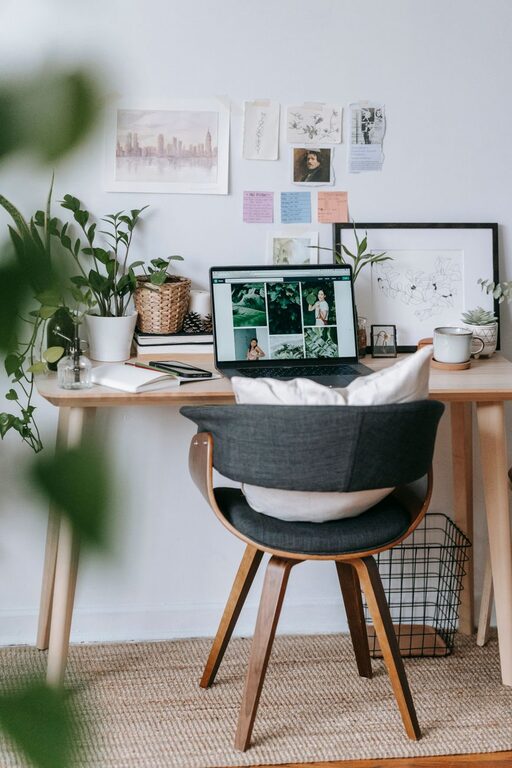
Adding a few personal touches like photos or plants can boost your mood but avoid overcrowding your workspace to maintain focus.
Establish Boundaries and Routine
Set Work Hours
Define clear working hours in your home office to separate work from personal life. Consistent schedules help your brain shift into work mode and maintain productivity.
Communicate with Household Members
Discuss your work schedule and the importance of uninterrupted time with those you live with. Use visible signs like a closed door or a “Do Not Disturb” note if needed.
Take Scheduled Breaks
Incorporate short breaks to stretch, rest your eyes, and refresh your mind. Techniques like the Pomodoro method (25 minutes work, 5 minutes break) can increase focus.
Optimize Lighting and Ventilation
Layer Your Lighting
Combine natural light with ceiling lights and task lamps to avoid eye strain, especially during evening hours or on cloudy days.
Maintain Good Air Quality
Proper ventilation improves alertness and comfort. Open windows when possible or use an air purifier.
Technology and Connectivity
Reliable Internet Connection
Ensure you have a fast and stable internet connection to avoid disruptions during video calls or online tasks.
Quality Equipment
Invest in a good quality headset, webcam, and keyboard to improve your work experience and communication.
Backup Power
Consider a surge protector and backup battery for critical devices to prevent data loss during power outages.
Maintain a Healthy Work Environment
Incorporate Movement
Avoid sitting all day by using a standing desk or taking regular breaks to stretch and move.
Keep Hydrated and Nourished
Keep a water bottle nearby and have healthy snacks available to maintain energy levels.
Reduce Screen Glare and Eye Strain
Use blue light filters on your devices if you spend long hours in front of screens, and practice the 20-20-20 rule: every 20 minutes, look at something 20 feet away for 20 seconds.
Final Thoughts
Creating a productive home office environment takes a bit of planning and effort, but the benefits are well worth it. By choosing an appropriate location, investing in comfortable furniture, organizing effectively, and maintaining routines, you can turn any space into a conducive workplace. Remember, small adjustments tailored to your needs can greatly enhance your focus, comfort, and efficiency while working from home.
Start making these changes today to enjoy a more productive and satisfying home office experience!
About the Author